
A Geographic Guide to Texas's Most Strategic Places to Age in Place
- Sophia Perry

- May 15
- 4 min read

Texas draws more retirees every year. With no state income tax, a wide range of climates, and cities that have invested heavily in healthcare infrastructure, it offers real opportunities for aging in place. The challenge is choosing the right location. Because Texas is so large, the ideal city depends on what matters most to you, whether that is proximity to family, access to specialists, walkability, or simply the pace of daily life. Moving Help Center breaks the state into its key regions below so you can match your priorities to the right geography.
What Makes a Texas City Worth Aging In?
Choosing where to age in place goes beyond good weather. Proximity to Level I or Level II trauma centers, walkable neighborhoods, low property crime rates, and a strong base of 55+ communities all play a role. Cost of living is another key factor, especially property taxes, which vary significantly across Texas counties.
Beyond the numbers, daily convenience matters just as much. How far is the nearest pharmacy? Is public transit available if driving becomes difficult? Are there senior centers, parks, or community organizations that make it easier to stay socially connected? The cities that stand out tend to perform well across all of these areas, not just one or two.

The Hill Country and San Antonio Metro — Where Comfort Meets Convenience
When you apply these criteria across Texas, certain regions naturally rise to the top. The San Antonio metro and surrounding Hill Country offer some of the most balanced conditions for retirement living in the state. San Antonio is home to the South Texas Medical Center, with dozens of medical institutions concentrated in a single district, and nearby communities benefit directly from that infrastructure.
However, choosing the right area within the metro is just as important as choosing the city itself. Neighborhood differences in accessibility, housing style, and proximity to healthcare can significantly impact daily life. If you are still narrowing down your options, exploring the best neighborhoods in San Antonio can help you make a more informed decision before visiting in person.
Why Is Schertz Gaining Attention Among Retirees?
Schertz sits northeast of San Antonio and has grown rapidly while maintaining its small-city character. Its crime rate is consistently below both state and national averages, making it particularly appealing for retirees focused on safety. Its location also provides quick access to San Antonio’s medical complex and the employment corridor along I-35.
It has been increasingly recognized as ideal for older adults who want suburban affordability paired with strong community cohesion. Nearby New Braunfels offers a comparable lifestyle, with a growing downtown, relatively low Comal County property tax rates, and a scenic setting along the Guadalupe River.
North Texas — Dallas-Fort Worth's Suburban Options for Aging in Place
If the San Antonio area offers comfort and simplicity, North Texas delivers scale and flexibility. The Dallas-Fort Worth metro is the largest in the state, with a wide suburban network that supports a variety of long-term living preferences.
Cities like Flower Mound, Southlake, and Frisco consistently rank high for safety and neighborhood stability, which are important factors when evaluating long-term livability. McKinney, located northeast of Dallas, stands out for its concentration of 55+ communities and frequent recognition in national retirement rankings.
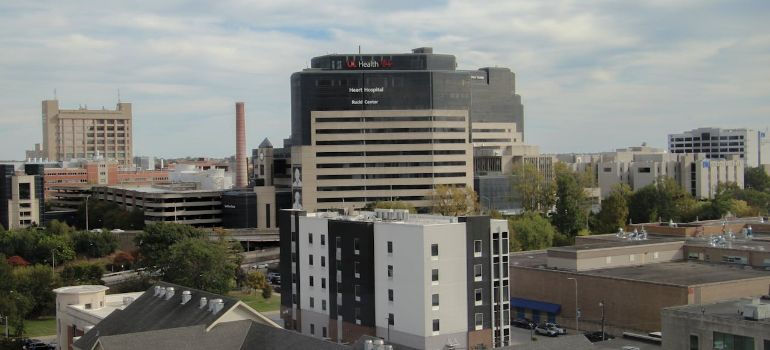
Healthcare access is another major advantage in this region. Texas Health Resources, UT Southwestern Medical Center, and Baylor Scott & White operate extensive networks across the metro. In addition, DFW Airport makes it much easier to stay connected with family in other parts of the country.
The Gulf Coast and Beyond — Smaller Cities With Big Appeal
Not every retiree is looking for the scale of a major metro. For those who prefer a slower pace and a more manageable city size, the Gulf Coast offers several strong alternatives.
The Corpus Christi and Victoria areas provide lower housing costs, a more relaxed lifestyle, and year-round mild coastal temperatures. Victoria, in particular, has a surprisingly robust regional medical center for its size, while Corpus Christi is home to the CHRISTUS Spohn Health System.
Further south, the Rio Grande Valley — especially McAllen — stands out as an underrated option. It consistently ranks among the most affordable metro areas in the United States. Its large Hispanic population contributes to a culturally rich environment that many retirees find appealing, and healthcare access has improved significantly with the expansion of South Texas Health System facilities across the region.
How to Plan Your Move to a Texas Retirement City
Once you have narrowed down a region, the decision starts to become more concrete. The decision shifts from choosing a place to figuring out what it actually takes to get there.
Moving costs often vary more than people expect. Distance and the type of services you choose all play a role, which is why it helps to understand how moving quotes are calculated before you fully commit. Having that clarity early makes it easier to judge whether a location truly fits your budget, not just on paper, but in practice.
Timing is part of that same equation. Texas summers are intense, and moving in July or August can quickly turn a manageable process into a physically demanding one. Planning your move for late October through April usually leads to a smoother and more comfortable experience.

The Best Places to Age in Place in Texas Reward Careful Research
Texas’s most strategic places to age in place are spread across every corner of the state, from Hill Country suburbs to well-established DFW communities and quieter coastal cities. No single location fits every retiree. The best approach is to start with your healthcare needs, factor in your budget and lifestyle preferences, and then compare a shortlist of cities using real local data. With a clear plan in place, your move becomes more than just a relocation; it becomes a transition into a place that genuinely supports your next stage of life.
Images used:https://www.pexels.com/photo/historic-skyscraper-with-flag-under-clear-sky-35499313/https://www.pexels.com/photo/urban-medical-center-skyline-with-hospital-34381866/https://www.pexels.com/photo/margaret-hunt-hill-bridge-in-dallas-texas-12162236/ https://www.pexels.com/photo/people-sitting-on-a-couch-7329685/


Comments