
How to Move in Extreme Weather: Florida Storms in Tampa & Orlando
- MovingHelpCenter.com

- 2 days ago
- 3 min read
Florida’s storm season can turn a simple move into a logistical nightmare. Between June and November, Tampa Bay and Orlando residents face heavy rains, tropical storms, and even hurricanes. If you’re planning a relocation during this time, preparation is everything. This guide walks you through practical steps to keep your move safe, efficient, and stress‑free - even when the weather doesn’t cooperate.

📅 Timing Your Move
Avoid peak hurricane months: Late August through September is historically the most active period. If possible, schedule your move in early June or late October–November.
Build flexibility: Always have backup dates. Movers in Tampa and Orlando often allow rescheduling without penalty during storm season.
Monitor forecasts: Use apps like NOAA Weather Radar or local alerts from Hillsborough and Orange County emergency services.
🧰 Preparing an Emergency Kit
Storms can delay movers or leave you stranded. Keep an emergency kit with you, not on the moving truck.
Water: At least 1 gallon per person per day for 3–7 days.
Food: Non‑perishable items like granola bars, canned goods, and peanut butter.
Power: Flashlights, batteries, and a portable charger.
Medical: First‑aid kit and a week’s supply of prescriptions.
Documents: Store passports, insurance papers, and medical records in waterproof containers.
🏠 Securing Your Home Before Moving
Storm shutters: Install or reinforce windows with plywood.
Garage doors: Strengthen them to prevent wind damage.
Flood protection: Elevate appliances and HVAC units if your home is in a flood‑prone area.
Insurance check: Standard homeowners policies exclude flood damage. Tampa Bay residents should consider NFIP or private flood insurance.
🚚 Working With Movers in Tampa & Orlando
Choose experienced movers: Companies familiar with Florida’s storm protocols can quickly reschedule and protect belongings.
Load strategy: Keep valuables and essentials in your personal vehicle. Movers can tarp and secure items, but don’t risk irreplaceables.
Communication: Cell service may fail during storms. Confirm backup contact methods with your moving company.
⚠️ Local Risks to Consider
Storm surge in Tampa Bay: Vulnerable to surges exceeding 20 feet in extreme hurricanes. Always check evacuation zones (A–F) at FloridaDisaster.org.
Power outages in Orlando: Extended outages are common. Test portable generators before moving day.
Traffic disruptions: Flooded roads and downed power lines can delay moving trucks. Plan alternate routes in advance.
✅ Moving Day Checklist
Confirm weather updates every 2–3 hours.
Keep your emergency kit and documents with you.
Photograph belongings before loading for insurance claims.
Stay in touch with movers and neighbors for real‑time updates.
Have cash on hand — ATMs may be down during outages.
🎯 Conclusion
Moving in Tampa or Orlando during Florida’s storm season requires more than just boxes and tape — it demands foresight, flexibility, and safety planning. By timing your move wisely, preparing an emergency kit, securing your property, and working with storm‑savvy movers, you can navigate Florida’s unpredictable weather with confidence.
📢 Moving in Florida
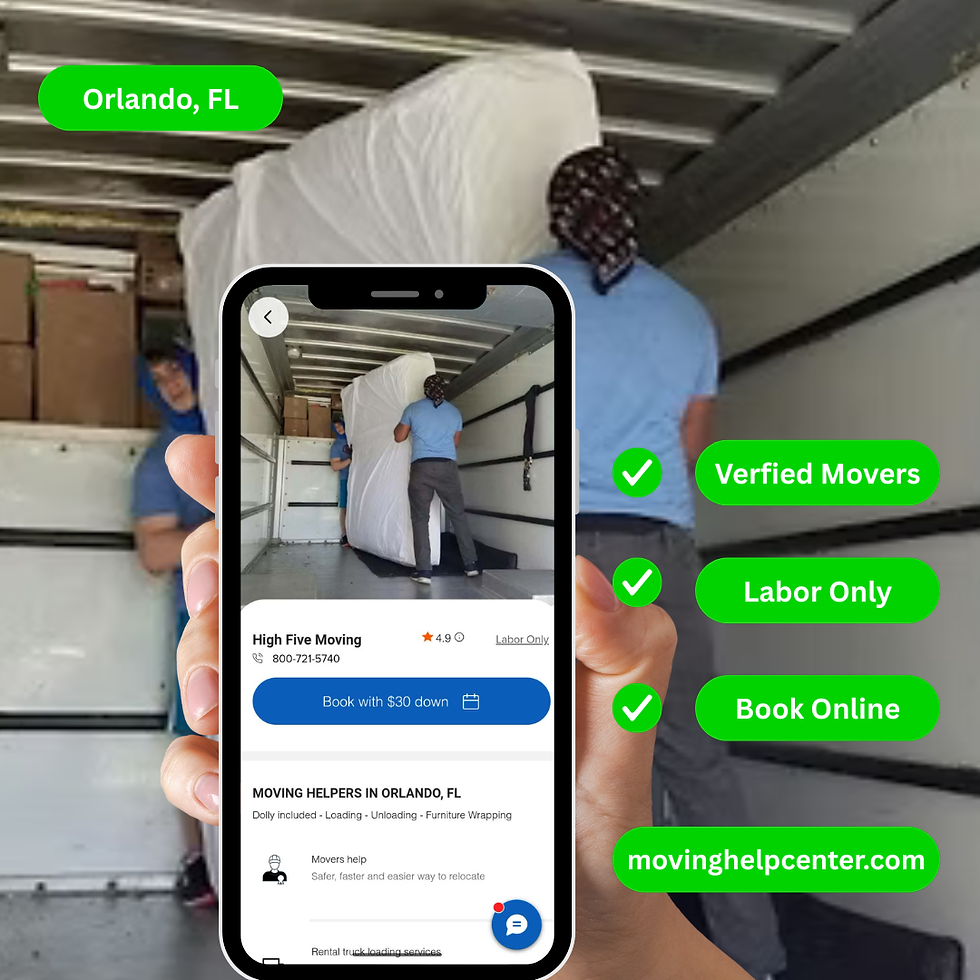
Need reliable help for your move in Tampa or Orlando? Our vetted labor‑only movers specialize in storm‑season relocations, ensuring your belongings are loaded safely and efficiently. Visit movinghelpcenter.com to book trusted professionals who understand Florida’s unique challenges.
❓ Frequently Asked Questions About Moving During Florida Storms
Q: What is the safest time to move in Tampa or Orlando during storm season? A: Early June or late October–November are generally safer windows. Avoid late August–September, which is peak hurricane season.
Q: What should I pack in my emergency kit for moving day? A: Include water, non‑perishable food, flashlights, batteries, a portable charger, first‑aid supplies, prescriptions, and waterproof storage for important documents.
Q: How can I protect my home before moving if a storm is approaching? A: Install storm shutters or plywood, reinforce garage doors, elevate appliances in flood‑prone areas, and review your flood insurance coverage.
Q: What should I do if movers cancel because of severe weather? A: Stay flexible with backup dates, keep essentials with you, and work with movers experienced in storm protocols who can reschedule quickly.


Comments